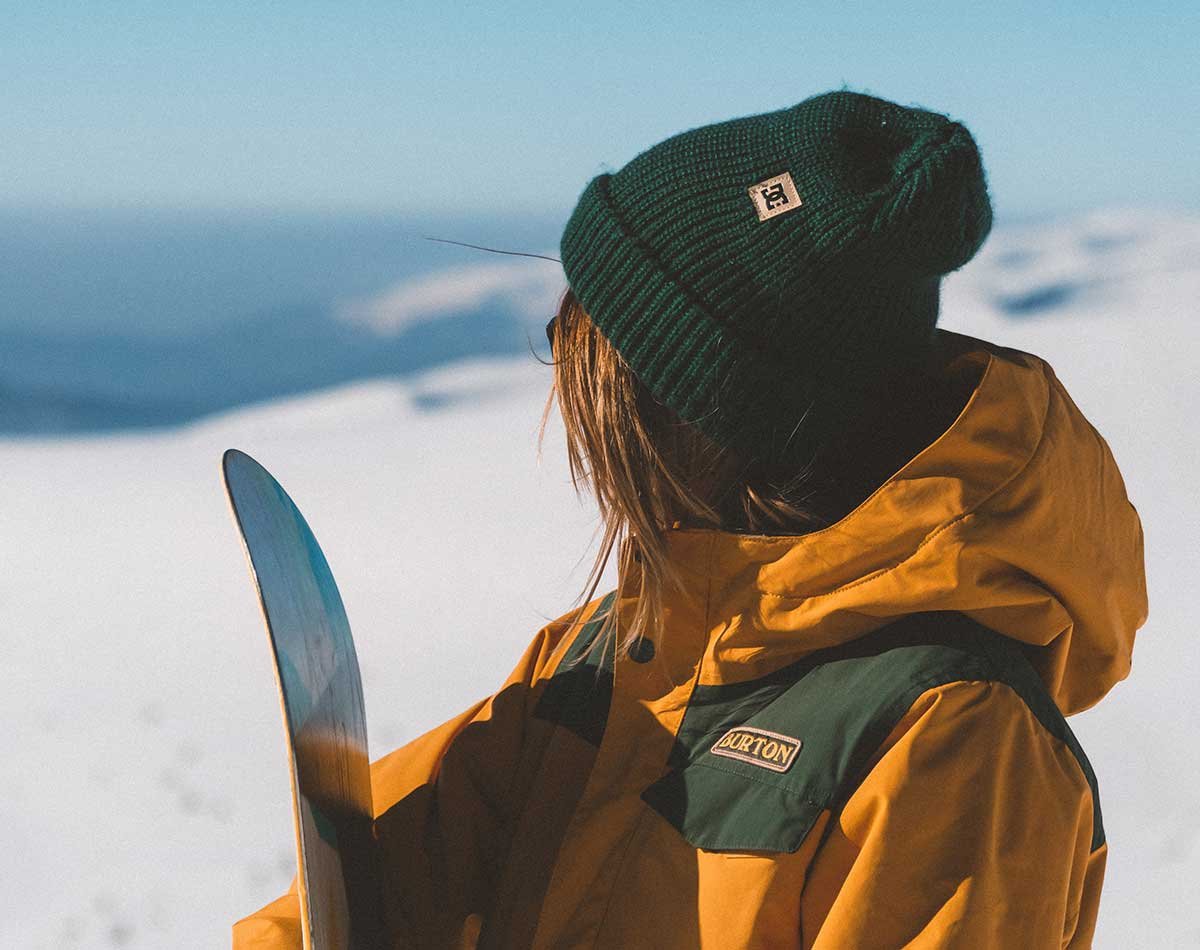
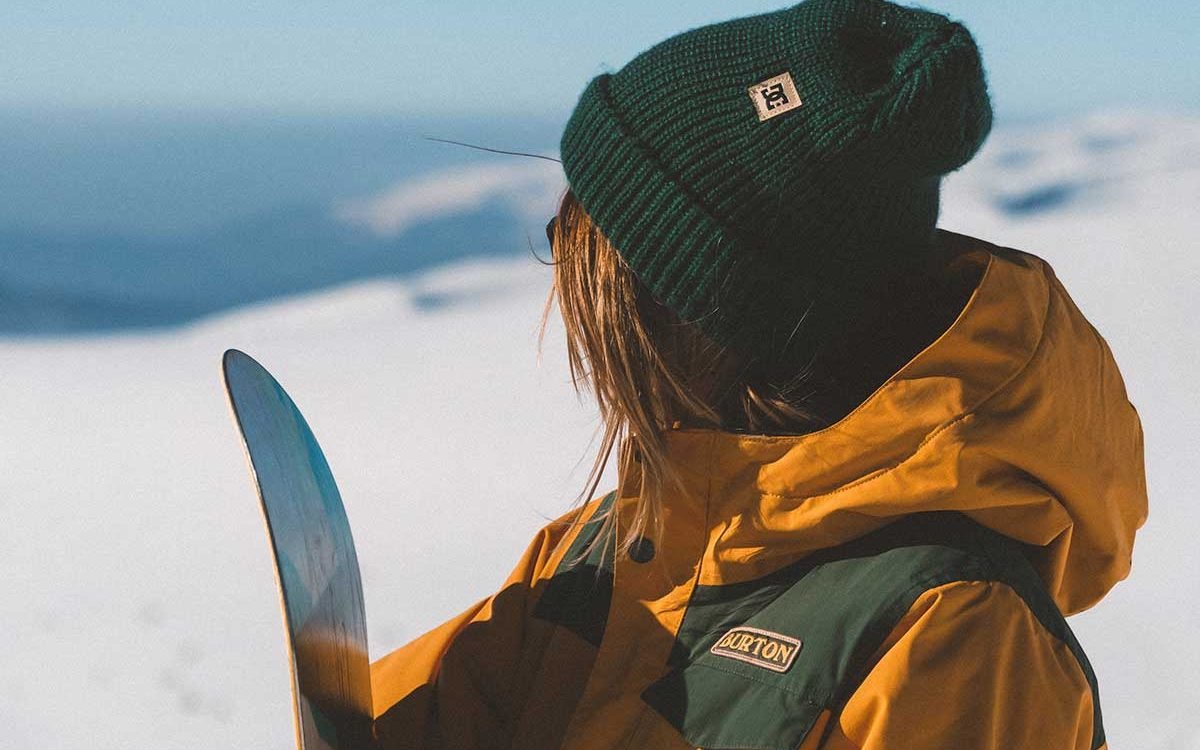
Every winter, the same snowboarding conversation repeats itself: the best resorts, the newest boards, the biggest powder days. As a rider and writer, I’m more interested in the parts of the sport that rarely make the brochure. In this post, I’m sharing the snowboarding facts nobody talks about, the history, the risks, the mental side, and the habits that separate people who ride for a season from people who ride for life.
Snowboarding Facts No One Is Talking About
1. Learning is harder at the start, then faster later
Most beginners find snowboarding painful in the first two or three days. Falling is constant because you are learning to balance sideways on a single board. The payoff is that many riders feel the progression speeds up sharply once they can link turns, while skiers often report the reverse curve. Expect a rough start. It does not last.
2. Your wrists take the hit
The most common snowboarding injuries involve the wrists, followed by shoulders, knees, and ankles. Beginners instinctively break a fall with an outstretched hand, which is exactly how wrists get hurt. Wrist guards are widely recommended for beginners for this reason, and they are one of the cheapest pieces of protection you can buy.
3. “Snowboarder’s ankle” is a real and often missed injury
A specific fracture of the ankle, sometimes missed on early X-rays, is seen often enough in snowboarders to have earned a nickname. If an ankle stays painful after a fall, get it properly checked rather than pushing through.
4. Your gear fit matters more than your gear brand
Boots that are too loose or too tight cause more ruined days than any board choice. A correct boot fit, a board sized to your weight and riding style, and well-adjusted bindings do more for your progress and comfort than an expensive logo.
5. The mental benefits are underrated
Time outdoors, focus on the present moment, and physical effort are a strong combination. Many riders describe the sport as a reset button. It is not a substitute for professional care when someone is struggling, but as part of a healthy routine, it is hard to beat.
What No One Tells Beginners About Staying Safe
Safety talk tends to be either preachy or ignored. Here is the practical version I follow:
- Wear a helmet. Every time, including on easy runs.
- Wear wrist guards and padded shorts while learning.
- Take a lesson. A single day with an instructor can prevent weeks of bad habits.
- Warm up. Ten minutes of leg and core activation lowers the chance of early-morning strain.
- Stop when tired. Most injuries cluster late in the day, when focus and strength fade.
- Know the mountain. Check conditions, stay within your ability, and learn the skier responsibility code.
“I love the scents of winter! For me, it’s all about the feeling you get when you smell pumpkin spice, cinnamon, nutmeg, gingerbread and spruce.”
Frequently Asked Questions About Snowboarding
Is snowboarding hard to learn? The first few days are the toughest because of frequent falls and the unfamiliar sideways stance. With a lesson and consistent practice, most people are linking turns within a week or two on snow.
What is the most common snowboarding injury? Wrist injuries are the most commonly reported, especially among beginners, which is why wrist guards are so strongly recommended.
When did snowboarding become an Olympic sport? Snowboarding debuted at the 1998 Winter Olympics in Nagano, Japan.
Is snowboarding good exercise? Yes. It engages the legs, core, and balance systems, and it adds cardiovascular work, especially when you are hiking or riding for several hours.
Do I need lessons as a beginner? It is strongly recommended. Good instruction builds safer habits and speeds up your progress.
Final Thoughts
Snowboarding is more than a winter pastime. It is a sport born from rebellion, built on balance, and rewarding in ways that go far beyond the slopes. The facts nobody mentions, the history, the injury patterns, the gear fit, and the mental lift, are what make riders smarter and keep them on the mountain longer.
If you take one thing from this post, let it be this: respect the learning curve, protect your body, and enjoy the ride.
Nabeil Nasr is a writer and snowboarding enthusiast who shares practical, honest insights about the sport. Share this post with a fellow rider, and leave a comment with the fact that surprised you most.